


Connect Trucks: Sharing Operational Experience with Decarbonization
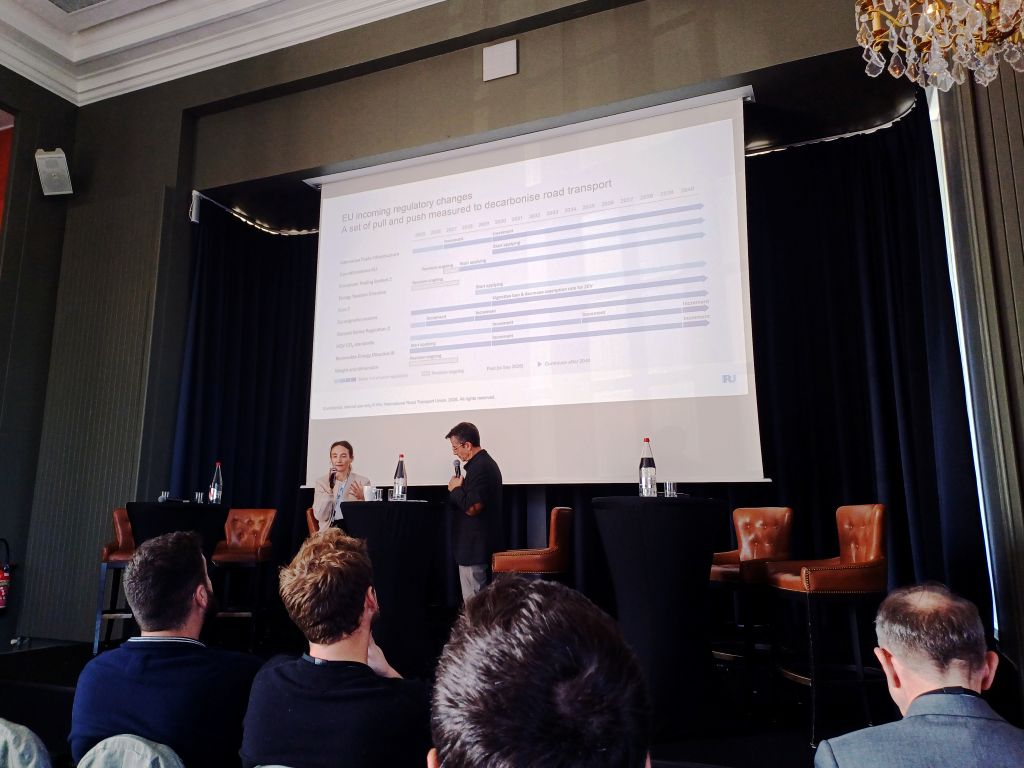
At the Connect Trucks event in Deauville, Jean-Baptiste Avril, Director of Development at Transalliance, participated in the opening panel discussion on the ecological transition of road transport.
This presentation provided an opportunity to revisit an issue that has now become central for shippers and carriers: how to turn a decarbonization goal into a truly viable solution?
Transalliance’s experience with various electrification projects shows that an electric vehicle can never be considered in isolation. Its suitability depends on the overall transportation system.
Identify the traffic flows that are truly compatible with electric vehicles
The first step is to carefully analyze the characteristics of the flow.
Daily distance, route regularity, downtime, shift scheduling, and loading and unloading constraints: all of these factors determine the feasibility of the project.
The goal is to determine whether the available range and charging options are compatible with the customer's operational requirements.
This study phase is essential. It helps ensure that we do not base our reasoning solely on the vehicle’s theoretical capabilities and instead develop a solution tailored to actual operating conditions.
Charging: A Key Component of the Project
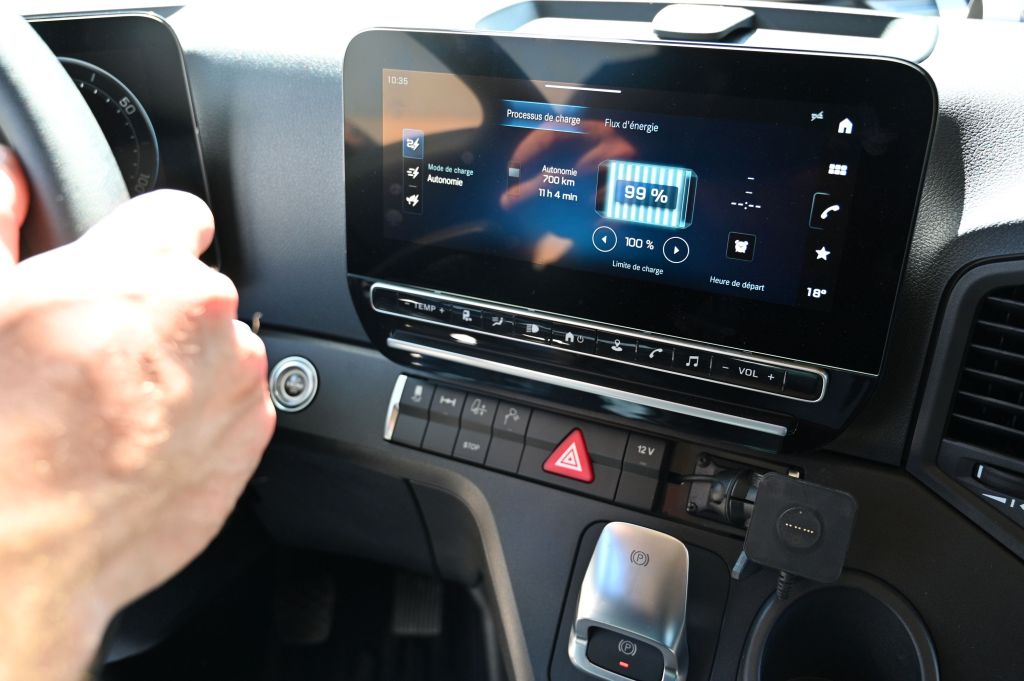
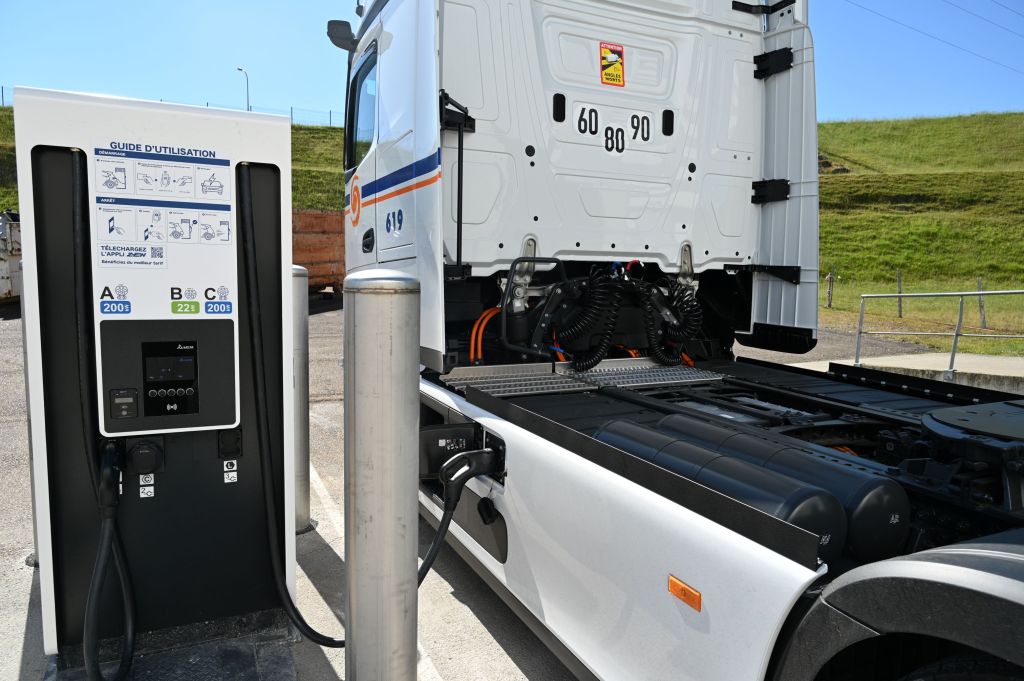
Charging infrastructure is one of the key areas of concern.
The choice of installed capacity must be directly linked to operating cycles. An undersized infrastructure may result in charging times that are incompatible with transportation needs. Conversely, an oversized infrastructure may lead to unnecessary investments and operating costs.
Determining the proper size of the electrical substation is also a critical decision. Once installed, making changes to it can be complex.
For Transalliance, charging must therefore be considered from the very beginning of the project, on the same level as the choice of vehicle.
An Evolving Business Model
The economic equation for electric transportation is changing rapidly.
Manufacturers are expanding their offerings, financing terms are improving, and visibility into the residual value of vehicles is increasing.
When the charging infrastructure is managed in-house and the flow is properly scaled, the economic gap compared to operating internal-combustion vehicles can be significantly reduced.
The economic analysis must therefore take into account the entire system: vehicle, energy, infrastructure, maintenance, and operational organization.
Green Alliance: From Research to Implementation
This expertise is part of Green Alliance, the initiative developed by Transalliance to support its customers in decarbonizing their transportation.
Our approach is to start with the actual characteristics of traffic flows to identify the most relevant solutions: electrification, alternative energy sources, optimization of transportation plans, or multimodal solutions.
The goal is not to impose a particular technology, but to develop a solution that balances operational performance, economic feasibility, and reduced environmental impact.
Through this approach, Transalliance supports its clients from the feasibility analysis through to the operational deployment of their new transportation plans.